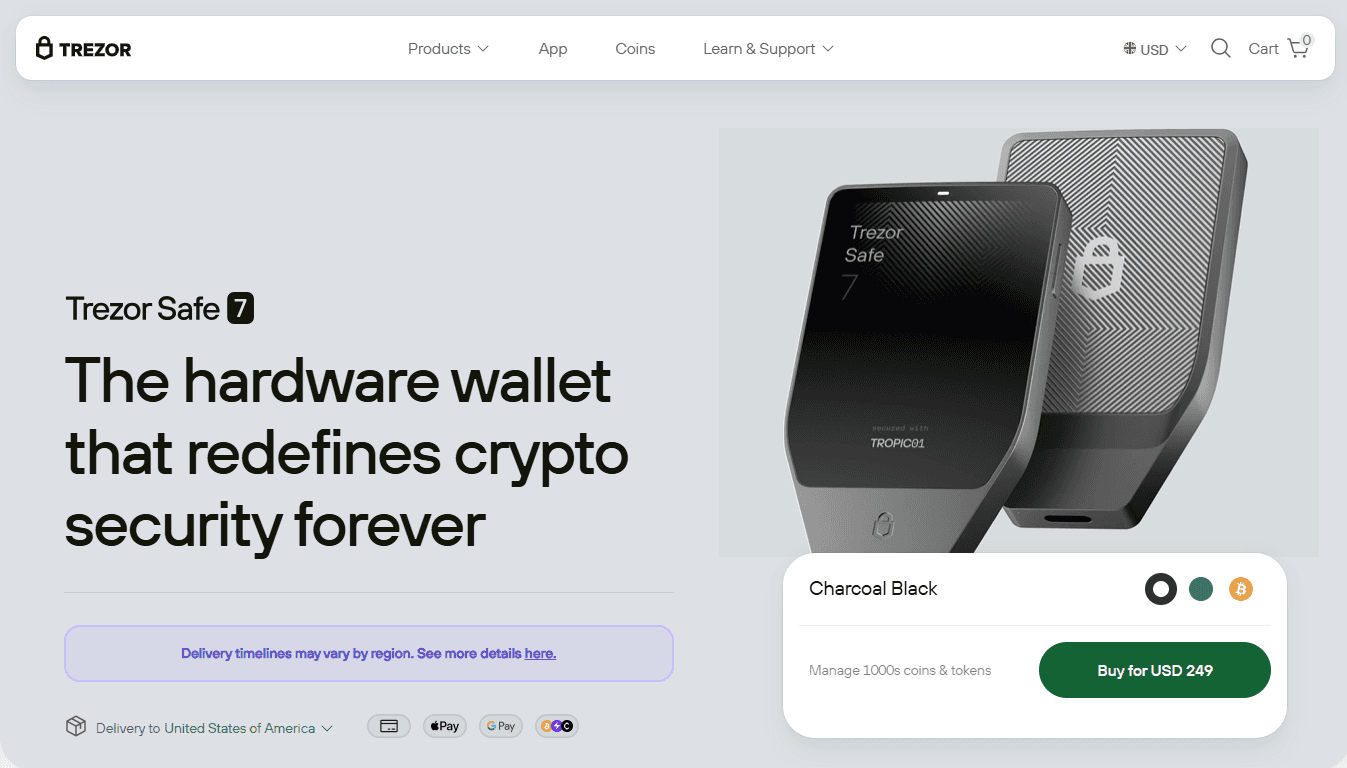
Understanding Trezor Bridge: Your Gateway to Secure Crypto Management
In the evolving world of cryptocurrency, ensuring the safety of your digital assets is paramount. Trezor, one of the leading hardware wallet providers, has consistently prioritized security and user-friendliness. A key component that bridges the gap between Trezor devices and your computer is the Trezor Bridge. This essential software acts as a secure communication channel, allowing you to manage your crypto assets seamlessly.
What is Trezor Bridge?
Trezor Bridge is a small, secure application developed by SatoshiLabs, the creators of Trezor hardware wallets. It functions as a mediator between your Trezor device and the web interface, typically the Trezor Wallet or supported third-party applications. Unlike traditional USB communication protocols, Trezor Bridge ensures encrypted, uninterrupted communication, safeguarding your private keys from exposure.
Essentially, Trezor Bridge enables your computer’s browser to recognize and interact with your Trezor hardware wallet. Without it, your device may not be detected properly, and you could face issues accessing your cryptocurrencies. The software is designed to work on multiple operating systems, including Windows, macOS, and Linux, ensuring broad compatibility for Trezor users.
Why Trezor Bridge is Important
Enhanced Security: One of the most critical features of Trezor Bridge is its focus on security. The software ensures that sensitive data, such as private keys, never leaves your device. All operations, including signing transactions, occur within the hardware wallet itself, reducing the risk of malware or phishing attacks.
Smooth User Experience: By installing Trezor Bridge, users can enjoy a seamless connection between their hardware wallet and the Trezor web interface. It eliminates common connectivity issues, ensuring your wallet is detected instantly.
Compatibility: Trezor Bridge supports various operating systems and browsers, making it flexible for a wide range of users. Whether you are using Windows 11, macOS, or a Linux distribution, the bridge ensures your device functions without glitches.
Transaction Management: With Trezor Bridge, you can securely manage multiple cryptocurrencies, including Bitcoin, Ethereum, and many altcoins. The bridge ensures that all transactions are signed securely on the device before they are broadcast to the blockchain, maintaining full control over your assets.